Scott Stollar is a REALTOR® (DRE #02136497) licensed since 2021, with 7 years of pre-license experience in San Diego real estate, focused on inherited and probate homes.
Yes, you can usually still save an inherited house in foreclosure, as long as the auction hasn’t happened yet. In California, you can catch up the loan, pay it off, or sell the house so the sale pays the lender, and since 2025 putting the house on the market the right way can push the auction back at least 45 days. The one thing you can’t do is wait too long, and the son in this story almost did.
Daniel (not his real name) had moved home to care for his mom through her final months. She raised him as a single mom, and for more than 20 years she paid into that house. After she passed, he started opening her mail and found out she had fallen behind on the mortgage while she was sick. The loan was in default, attorneys had already turned him away, and he had no cash and no credit. He found my YouTube video, Inheriting a Home? Here’s How to Save it From Foreclosure, and picked up the phone. If you’re facing something like this, the free Inherited Home Playbook walks through the first decisions in order, so you’re not guessing.
Can I stop the auction on an inherited house in foreclosure?
Yes, until the auction actually happens. There are three ways out: catch up the loan by paying what’s past due plus fees, pay the loan off in full, or sell the home so the sale pays the lender. California lets you catch up the loan up to five business days before the auction date. Most families who inherit a home in foreclosure don’t have cash for the first two, which makes a sale the realistic path. When the house is worth much more than what’s owed, it’s usually the right one too.
On our first call, I laid out all three options for Daniel. He didn’t have the cash to catch up or pay off the loan. But his mom had owned the home for more than 20 years, and it was worth far more than what was owed. That difference wasn’t just money. It was her life’s work.
How long before I lose my inherited house to foreclosure?
At least three months and 20 days from the day the Notice of Default is recorded, and often longer. But once the Notice of Trustee’s Sale is posted, the auction can be as little as 20 days away. In California, the lender’s trustee records a Notice of Default, then must wait at least three months. A Notice of Trustee’s Sale then has to be posted on the property, published, and mailed at least 20 days before the auction. By law, the auction can’t happen earlier than three months and 20 days after the Notice of Default was recorded.
Daniel wasn’t ready to act. He had no money to catch up the loan, and I told him plainly that without it, the foreclosure was going to keep moving. I also knew he was weighing other options while the clock ran, including offers from investors. What he didn’t know was the catch: without authority from the court, he couldn’t legally sign a sale, and if the buyer or their lender didn’t perform in time, he could lose the house anyway.
So I pulled the public record to see when the Notice of Default had been filed, and I used it to show him how much time was really left and what was on the line: everything his mom had put into that home. I told him, “If anything gets posted on the door, the gate, or the fence, take a picture and send it to me right away.” About ten days later, the Notice of Trustee’s Sale was on the property. Daniel sent it over, and that’s when he decided to move. With the auction date in hand, we could plan backward from it.
Stage
What happens
Minimum time
Missed payments
Loan falls behind
Several months before the lender records a default
Notice of Default recorded
Official start of foreclosure
At least 3 months before the next step
Notice of Trustee’s Sale
Posted, published, mailed with an auction date
At least 20 days before the auction
Listing agreement sent to the trustee
Auction postponed
At least 45 more days
Purchase agreement sent to the trustee
Auction postponed again
At least 45 days from receipt
What if I can’t afford probate to sell my mom’s house?
You still have options. Before Daniel could sell, he needed legal authority over the estate, which meant opening probate. The attorneys he’d talked to quoted around $2,500 to file, including the related fees, and that’s where he’d been stuck. California courts allow a request to waive court fees for financial hardship (form FW-001), and not every attorney will take a case that starts that way.
I brought in a probate attorney from my network who took Daniel’s case for the fees California law sets. With a financial hardship filing, the cost to open probate came down from about $2,500 to $500. Then we asked the court for emergency relief so Daniel would have authority to sell before the auction date.
There was one more wall. The court normally requires the person handling the estate to post a bond, a kind of insurance policy, and Daniel couldn’t qualify for one. The fix has a name: a blocked account. Under California Probate Code sections 8483 and 9703, estate money can be deposited in an account that can only be withdrawn with a court order, and the court can then reduce or remove the bond requirement. We set it up so the sale money would go into a blocked account, and his case moved forward.
Will listing my inherited house for sale stop the foreclosure auction?
Yes, listing an inherited house in foreclosure can delay the auction, but only when it’s done exactly right. A California law that took effect in 2025 (AB 2424) requires the foreclosure trustee to postpone the auction when the owner provides a qualifying listing agreement, and once more when there’s a signed purchase agreement. The rules on who can sign, what the documents must include, and how and when the trustee receives them are strict. Each postponement can only be used once, and one mistake can mean the auction goes ahead anyway. This isn’t a do-it-yourself move. It’s part of the work I do alongside a probate attorney, and I’ve done it before.
For Daniel, this was my job, not his:
Authority came first. Without court authority, Daniel couldn’t sign a valid listing at all. We got that in place before anything else.
I got the home on the market fast. Daniel signed the listing, and we had photos the next day.
I made sure the trustee received it the right way. Delivered the way the law requires, with proof, well ahead of the deadline.
I tracked the new sale date to the finish. The auction moved, and I stayed on the timeline until we closed on the open market.
Every one of those steps had a way to go wrong. Daniel didn’t have to know them. He just had to make the call.
The same law added one more protection. At the first auction, the trustee can’t accept a bid below 67% of the home’s fair market value.
How much could I lose if my inherited house goes to foreclosure auction?
Far more than the missed payments. Foreclosure puts the whole house at risk, not just what’s owed. For a parent who paid on a home for decades, that means their life’s work. Daniel’s mom raised him on her own, and after all those years of payments, she owed only about $62,000 on the house. Everything above that was hers, and now it was his to protect. Here are the real numbers:
Line item
Amount
Principal left on the mortgage
$62,047.60
Late charges, impound overdraft, trustee fees and costs
$13,099.01
Total to pay off the loan
$75,146.61
Sale price on the open market
$780,000
Paid to the estate at closing
$526,588.75
Solar holdback released to the estate after closing
$75,000
Total to the estate: his mom’s legacy
$601,588.75
Now compare that to the auction. At a 67% minimum bid on a $780,000 home, the first auction could legally accept an offer as low as $522,600. That’s $257,400 below what an open-market buyer actually paid. The missed payments added up to about $75,000. What waiting could have cost was more than three times that.
What could hold up selling my inherited house?
Almost always something. Daniel’s house had two more problems, and both are common.
Solar with a lien nobody could access. The home had solar panels, an unknown lien tied to them, and no way to log into the account. That clouded the title. We paid off the solar loan at closing, and escrow held back $75,000 until the solar company confirmed the lien was released. I stayed on it after closing until they did. Title then sent the money to escrow, and it went into the estate’s bank account.
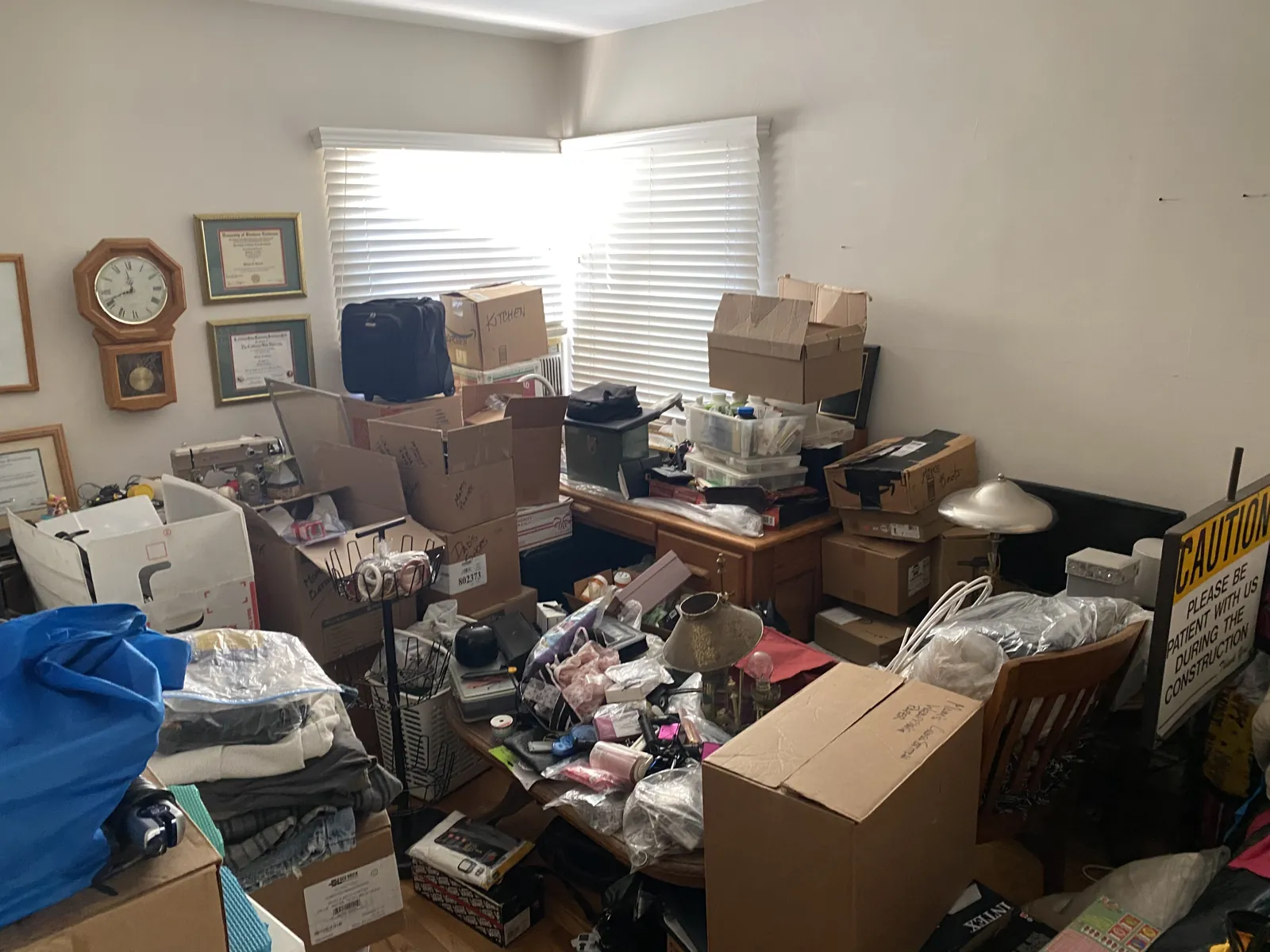
A house full of belongings that needed work. Daniel had no money for storage, and the home needed repairs. A house that needs work isn’t a liability in today’s market. Realtor.com found that listings marketed as fixer-uppers get 52% more views than similar homes. I advanced the repair costs so the home could be made ready, and priced right, it drew multiple offers. Multiple offers gave us leverage on terms, not just price. We negotiated a 29-day rentback at a nominal cost, which gave Daniel about two months between escrow and moving out. Working with the attorney, we were also able to arrange an early advance so he could cover movers, a car repair he needed to relocate, and a deposit on his next place.
When it came to his next home, I advised Daniel to rent for a year in his new area before buying, rather than rushing into a purchase. He’d just carried a lot. He deserved time to land.
What this means for you
Calmness is created by consciously charting your course. When an inherited house in foreclosure lands on top of grief, hesitating is the most human reaction there is, and it’s also the most expensive one. Daniel hesitated too. He cared for his mom until the end, got turned away, and still made the call that protected what she built for him. What he needed wasn’t more time to feel ready. He needed a plan, the right attorney, and someone watching the clock with him.
This article is education, not legal or tax advice. Foreclosure and probate rules depend on your specific facts, so talk with a California attorney before you act.
Frequently Asked Questions
What do I do if I inherited a house that’s behind on the mortgage? Act before the auction clock runs out. Find out if a Notice of Default has been recorded, get the payoff and catch-up amounts in writing, and get legal authority over the estate. Then choose to catch up the loan, pay it off, or sell, and if you sell, reach out to me, Scott Stollar. I know how to use the listing to postpone the auction.
Can the bank take my mom’s house after she dies? Yes, if the mortgage goes unpaid. The loan doesn’t go away when the owner passes, and the lender can start foreclosure. The family can still catch up the loan, pay it off, or sell the home before the auction happens.
How long does foreclosure take in California? The auction can’t happen until at least three months and 20 days after the Notice of Default is recorded. Listing the home and then accepting an offer can each postpone it at least 45 days, when it’s done correctly.
Can I sell my parent’s house in foreclosure if I’m not the executor? It depends on how the house was held. If it’s in a living trust, the successor trustee named in the trust can usually sell it without going to court. If it isn’t in a trust, someone needs authority from the court through probate first, and an attorney can ask for emergency relief when the auction is close. Either way, only the person with legal authority can sign a listing or a sale.
How do I pay for probate if I have no money? California courts allow a request to waive court fees for financial hardship (form FW-001). Some probate attorneys will also take a case for the fees California law sets, paid from the estate, instead of a large upfront retainer.
Does putting the house on the market delay a foreclosure sale? It can. Since 2025, California requires the trustee to postpone a foreclosure auction when the owner provides a qualifying listing agreement, and once more with a signed purchase agreement. The requirements are strict and each postponement only works once, so it shouldn’t be done alone. I’ve used it to stop an auction and sell an inherited home on the open market, and if you’re facing an auction date, reach out to me.
Watch: the video Daniel found
This is the video that led Daniel to pick up the phone: Inheriting a Home? Here’s How to Save it From Foreclosure. It covers what to do when you inherit a house with a mortgage, and how to keep it out of foreclosure.