Scott Stollar is a REALTOR (DRE #02136497) licensed since 2021, with 7 years of pre-license experience in San Diego real estate, focused on inherited and probate homes.
Selling a house in probate is a lot like any other home sale, with a few details that can mess it up if you skip them. You can’t accept an offer, sign a listing agreement, or open escrow until the court issues Letters of Administration saying who is allowed to sell. Once you’re in escrow, the attorney sends a notice to every beneficiary, who has about 15 days to respond, and probate itself typically takes 9 to 18 months in California.
Probate sounds like a legal problem. It’s a real estate problem too, and most attorneys don’t tell their clients what happens next with the house. I know because I lived it. After losing both my parents and my grandparents, I inherited a home in my 20s that had to go through probate, and nobody walked me through the part where strangers start coming through the front door. If you want the whole sequence in one place, my free Inherited Home Playbook lays out what to expect at each stage.
Can I sign with a Realtor or accept an offer before the court says I can sell?
No. Until the court issues Letters (Letters of Administration, or Letters Testamentary when there’s a will), nobody has the legal authority to sign a listing agreement, accept an offer, or open escrow on the house. Your Letters also note whether you were granted authority under California’s independent administration rules, and whether that authority includes selling real property. That notation decides how the sale is handled later. Signing anything before Letters is issued is the fastest way to mess up a probate sale.
The three mistakes I see most often all come from moving too early: accepting an offer before the house can even be listed, signing a listing agreement before anyone knows who can sign, and, worst of all, signing a contract and opening escrow before the court has said a word. Every one of them has to be unwound, and unwinding takes time you don’t get back.
In my case, my grandfather and I met with the attorney, the attorney petitioned the court, and at the first hearing we got the Letters naming me as the person allowed to sell. Only then did a listing agreement get signed. When I work with a family now, confirming exactly what the Letters allow is the first thing I check, before a sign goes in the yard.
What happens first when there’s no trust and the house has to go through probate?
When someone passes away owning a house without a trust, the house usually has to go through probate before it can be sold or transferred. It starts with a meeting with a probate attorney about everything the person owned. The attorney then petitions the court to open probate, and at the first court hearing the judge can appoint the person who will handle the estate and issue the Letters that give them authority to act.
That first attorney meeting is hard. You’re talking through the boring side of someone’s life, the accounts and the paperwork, when all you can think about is who you lost. It can feel insensitive. It’s also the meeting that sets everything else in motion. If you want the bigger picture of how probate and the house fit together here, start with my guide to probate real estate in San Diego.
Even if you plan to keep the house yourself, it’s usually worth going through probate so the title legally transfers to you. I’ve seen families skip it with a verbal agreement between relatives. It doesn’t become a problem for a generation or two, and then it does, and the people left sorting it out are the grandkids.
If you’re not sure whether the house needs probate at all, a house held in a trust follows a different path, and that’s one of the first things I help families figure out.
Why is my mailbox suddenly full of letters from investors?
Once probate is filed, it becomes public record, and investors watch those filings. The mailbox at the house can start to explode with offers, some of them sob stories asking you to sell at a discount so the writer can finally own a home. Some may be well meaning. You still have to protect yourself and the estate.
It gets noisy at exactly the moment you’re trying to grieve. The simplest protection is to have one person between you and all of it. When I list an inherited home, investors and buyers call me, not you. Some families even put a note on the door: the house is listed, please don’t knock, call the Realtor, with my number on it.
How do I get the house ready to sell when I’m still grieving?
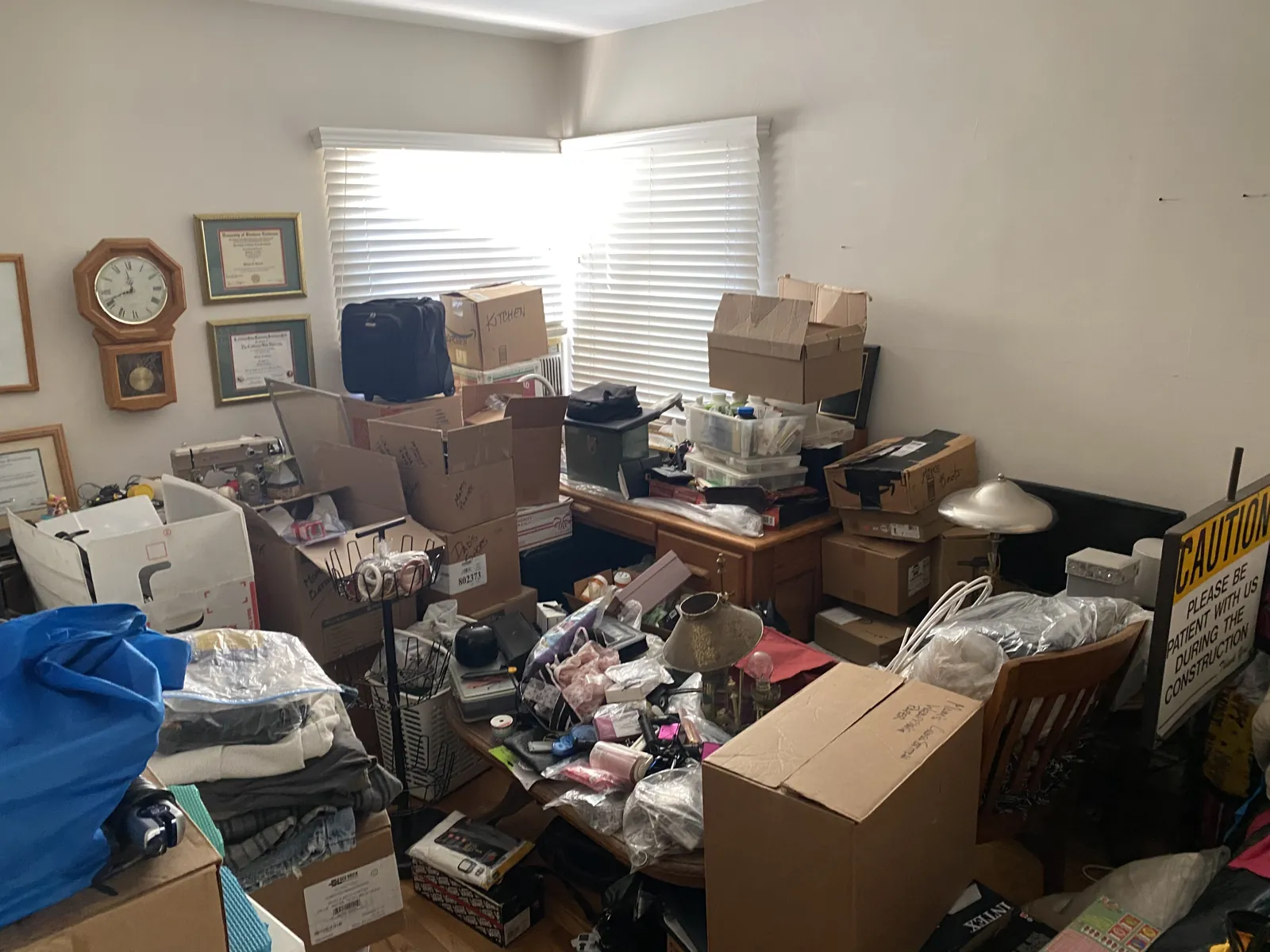
Start earlier than feels necessary. Getting the house cleaned out, packed, and ready to show takes longer than people expect, because it’s happening on top of work, your own life, and grief. Begin packing and keeping track of what’s where as the house heads to market, plan any yard or estate sales early, and start looking for where you’ll live next.
For me, the hardest part was the bedroom. After the paramedics came for my mom, there were medical supplies left behind, and it felt easier to close her bedroom door and not go back in for a long time. Some great friends came over and helped me clean it up. If you have people willing to help, let them.
Then there are showings. I asked for appointments before every showing, and it still didn’t always happen. More than once I was in the shower, heard the lockbox buttons, and a stranger walked in. Another time I came home late from work to find a showing had let my dog out and he was running loose in the neighborhood. After a loss, that kind of stress hits harder. Clear showing rules, and someone who enforces them, matter more in a probate sale, not less.
Timing your move matters too. Sometimes I can negotiate extra time in the home for you after closing. Sometimes the buyer needs it the day escrow closes, and you have to be out. As one of my favorite lines goes, strategic steps with solid support shape your success. Knowing which situation you’re in before you accept an offer changes how you plan.
Do the other beneficiaries get a say once the house is in escrow?
Often, yes. When the court has given the personal representative authority to sell under independent administration, the attorney sends every beneficiary a Notice of Proposed Action with the address, price, and terms of the sale. The notice has to go out at least 15 days before the proposed action date, and anyone who doesn’t object by then is treated as consenting. Beneficiaries can also sign a consent right away so nobody waits the full period.
That 15 days isn’t a blanket 15 days from when you accept the offer. It runs from the notice, so the clock depends on when it actually goes out. Meanwhile the buyer is usually doing inspections and an appraisal, and may ask for repairs. A big repair request can mean going back to every beneficiary again, and if they say no and the buyer can’t work with that, the deal stalls and you start over.
If the court did not grant that full authority, the sale goes to a court confirmation hearing instead, where other buyers can show up and bid more. Which path your sale takes is right there on your Letters, and it’s one of the first things I look at.
Choosing the offer matters more in probate for the same reason. When I advise families, price is only one piece. I look at the buyer’s motivation and finances to judge, as best we can, whether escrow will hold together, because a lot of homes fall out of escrow over inspections right now.
How long does probate take, and when do I get the money from the sale?
Probate in California typically takes 9 to 18 months, and it can take longer, especially if someone contests the estate. The home sale is only one part of that, often just a few months. Selling the house doesn’t mean the money comes to you when escrow closes. Proceeds usually stay with the estate until the court approves distribution to the beneficiaries.
That gap catches people. If you’re counting on the sale to cover your next place, or you’re excited to start a new chapter and buy your own home, your life can feel stuck in limbo for a long time. I found a little cottage for me and my dog with a week’s notice. It turned out to be haunted, which was a whole other experience right after a loss.
Ask your attorney for updates, but know that asking more often doesn’t make an update appear. If there are a month or two between court dates, there may be nothing new to report. Understanding what comes next is what keeps the waiting from feeling like being stuck. For more on what can wait and what can’t, see how long you can wait to deal with an inherited property.
Stage
What’s happening
Rough timing
Meet the probate attorney
Review what the person owned
Weeks after the loss
Petition and first hearing
Court appoints the personal representative and issues Letters
Often a few months
Prepare and list the house
Cleanout, showings, offers
Varies by house
Escrow
Inspections, appraisal, beneficiary notice (at least 15 days)
About 1 to 2 months
Close of probate
Accounting and court-approved distribution
Whole process typically 9 to 18 months
What this means for you
Probate gets presented as a legal checklist, but the house is where most of the stress lives: the cleanout, the showings, the investor letters, the move, and the wait for the money. You don’t have to figure out each of those as it lands on you. I’ve been on your side of this, and handling the house part of probate is what I do now, from reading what your Letters allow to managing showings and keeping escrow together through the beneficiary notice.
This article is general education about real estate, not legal or tax advice. Every estate is different. Talk with a probate attorney or CPA about your situation, and I’m happy to connect you with one I trust.
Frequently Asked Questions
Can I list my mom’s house for sale before probate is finished?
Yes, you can usually sell before probate closes, but not before the court issues Letters naming who has authority to sell. Once Letters are issued, the personal representative can list the house, accept an offer, and open escrow. The rest of probate keeps running after the sale.
Who signs the paperwork when you sell a house in probate?
The personal representative named in the court’s Letters signs the listing agreement and the sale documents. That might be the executor named in the will or an administrator the court appoints. Nobody else can sign for the estate, even a family member who lives in the house.
Can a beneficiary stop the sale of an inherited house in probate?
A beneficiary can object after receiving the Notice of Proposed Action, which goes out at least 15 days before the proposed sale date. An objection can stall the sale, and a big repair request can trigger a new round of notice. Beneficiaries can also sign their consent early to speed things up.
Why am I getting so many letters from investors about my parent’s house?
Probate filings are public record, and investors use them to find inherited homes. Expect letters, calls, and sometimes people at the door once probate is filed. Having a Realtor handle all contact about the house keeps that pressure off you.
How long after selling a house in probate do you get the money?
Usually not right away. Sale proceeds stay with the estate until the court approves distribution, and probate in California typically takes 9 to 18 months overall. Plan your housing and finances as if the money will arrive months after closing.
Watch: What Attorneys Don’t Tell You About Probate
Video transcript
Probate sounds like a legal problem. The truth is, it’s actually a real estate problem, too. Most attorneys don’t tell their clients what happens next with the house. This video does. My name is Scott. I’m an inherited home specialist in Southern California. After losing both my parents and my grandparents, I’ve inherited a couple of homes myself. We had to go through probate. So, what did selling a house in probate look like? Let’s take a look.
Selling a home in probate has a lot of similarities to selling a home anytime that you would sell a home. There are a few specific details that you need to watch out for though to make sure that you don’t mess it up. A few of the things that I see people do that messes it up really quick is they accept an offer before they can even put the home up for sale. They sign a listing agreement with an agent before we know who can sign. Or worse yet, they sign a contract and enter escrow before anything else. Thankfully, I didn’t have that problem. My problems were different with it because when I inherited a home and it had to go through probate, I was in my 20s. I was a young person facing this. And thankfully, I had a few great people on my side to help out. So, this is what it looked like.
First and foremost, obviously, you’ve lost someone. You’ve lost a loved one. They don’t have a trust. So, since they’ve owned a home, you have to go to probate in order to sell or even transfer that asset. So, even if I wanted to take the home myself, it would be smart to go through probate so that the title legally transferred to me rather than waiting. I’ve seen a few instances where families don’t take care of this. They have a verbal agreement between the loved ones and then it doesn’t become an issue for multiple generations, but eventually it does end up becoming an issue.
So, we decided to go through probate. The first thing is that you meet with a probate attorney. You discuss all the assets that the person had, what they owned. You talk a lot about the boring side of their life, the stuff that seems insensitive, the stuff that seems kind of hard to talk about when all you’re thinking about is what you lost. After that, the attorney petitions for probate. Now, this is a petition to the court saying, “Hey, we want to open probate so that we could settle this person’s estate.” You’ll have the first court hearing. Probate’s basically a long drawn out process that’s a legal checklist to make sure that a will or a person’s estate is administered and settled according to California state law. This makes sure that the correct beneficiaries get their entitled share. It also involves minor children. So if there’s a minor child, the state decides what happens to that child, who the best person to care for them is, and where they should live, who they should live with. There’s a lot left to chance.
So thankfully in that regard, I was in my 20s. I was an adult. I met with my grandfather and the attorney. We went over everything that we had to go through and we petitioned for probate. At the first court hearing, we got the letters of administration. This is telling us that I was the one allowed to sell the home. Once we knew that, and only then, we could get the listing agreement signed. My buddy Joe, who’s a realtor at the time, ended up selling the house for us.
We got the home ready to be on the market. We had to clean up a few things. There were messes. There were messes I needed help with because I just wasn’t in the state to take care of it. There were the medical supplies from when the paramedics showed up at my mom’s house to help her. And after it happened, I thought it was just easier to just close the door of her bedroom and not go back in there for a long time. Thankfully, I had some great friends that were willing to come over and help me clean that up. I had to clean up my stuff. I had to make sure that just like any other home sale, that messes weren’t left out, that the home was ready to show.
And even back then, I remember telling people that, “Hey, I want to make sure we get an appointment before we let the house be shown.” And there were so many times where I was taking a shower and I hear the lockbox buttons going and then next thing I know, someone’s opening the house. I’m thinking it’s just me. So, the bathroom door is completely open. I’m taking a shower and some stranger’s walking in. Make an appointment if people ask for an appointment, right? There were other times where I came home from work, didn’t realize that someone had been in my house showing it, and they let my dog out, and my dog was just running all over the neighborhood. I got home late at night at that point. So, it was really stressful after going through a loss, coming home and not knowing what happened to my dog.
There are a few things that are always challenging when selling your home. And there’s a few ways that you could protect that. But just because it’s in probate doesn’t mean that it’s any different. When you’re selling a home in probate and you file for probate, your mailbox or the mailbox of the home is probably going to start to explode. You’re going to get letters from investors. You’re going to get letters of sob stories of people saying, “Oh my god, this is the only chance I have to own a home. You should sell it to me for a discount because I want to move in.” While those may be well-meaning, you also have to watch out for yourself. Things are going to get really noisy. It’s externally noisy because people are trying to ask for something from you. You may have countless investors knocking on your door while you’re trying to grieve and just deal with everything. And one of the easiest ways to protect yourself from that is to reach out to a realtor that’s experienced with inherited properties and have them get the home on the market for you. Even if you have a listing agreement, you could even put a post on the door saying, “Hey, I have a listing agreement for this house. Don’t knock. It’s pointless. Call my realtor. Put their number on there.”
Now, I think one of the hardest things selling an inherited home was getting it all cleaned out. I had to focus on work. I had to focus on my own life. I had to focus on the grief that I was processing. I also had to get ready to move and find a new place to live. So, a lot of those things that you think you have time for, you actually want to be more proactive with. If it’s just you and you’re living there, you want to start packing things up. You want to start inventorying items and packing things up so that you know where they are. Prepare for the yard sales. Prepare for the estate sales. Make all of that preparation as the home’s going on the market. You also want to start looking out for where you want to live. Now, there are certain circumstances where we can negotiate more time in the home for you. There are other times where you’re not able to do that and the minute that the sale of the home closes, you have to move.
Now, you get the home on the market, you’ve got people looking at it, you’ve done open houses, you’ve had showings that walked in when you’re taking a shower and let your dog run out in the neighborhood. You’ve now got an offer. You’re looking at the offer. You’re looking at the terms, the price, all of the factors in the offer to figure out which one seems the most viable and the most appealing. From there, you have to talk with your agent on which offer you’re going to accept. Usually, when I advise people, we look at a lot of different things. It’s not just the price point, it’s the buyer’s motivation. We’re also looking at the finances to make sure that as best as we can tell, escrow is going to go smoothly. There are so many things going on in the market right now and a lot of homes are not selling because of inspections.
When you’re in escrow, what does that mean? So once you accept an offer, the next thing that happens is we open up escrow. So yay, we’re in escrow. What the heck does that mean? Escrow works as a neutral third party to make sure that everyone’s keeping their end of the bargain. They’re not enforcing timelines, but they are watching the escrow instructions. Who gets paid for what? What liens are on the property? Who needs to be paid? What mortgage company needs to be paid? And how much? How much do all of these people need to be paid? What’s going to be left going to the seller? And when does it happen? They’re also holding the buyer’s funds in a safe place, and they’re holding on to closing funds before the transfer of the property happens and the sale is official.
When you’re selling a home in probate, you also have a process in escrow known as the notice of proposed action. Now, your attorney is required by law to notify all of the beneficiaries what’s happening. You’re saying, “We’re selling the home at this address for this much money.” And every beneficiary has to get a copy. They have about 15 days to respond. And if they don’t respond, there’s no objection. They proceed. You have to wait 15 days for a response, though, and you have to wait for 15 days after they’ve received it. So that 15 days isn’t a blanket 15 days. Additionally, if the beneficiaries are all on board and they say, “Hey, this is great. Let’s move forward,” then they can say, “Hey, this is great. Let’s move forward,” and not take the 15 days.
Usually in that time, the buyers are going to do their inspection. They’re going to do an appraisal. They may even ask for some repairs. Repair requests in probate are a little bit more challenging just because of that notice of proposed action. If you have big repair requests or something like that, you have to go back to all the beneficiaries and it can take even more time and they can say no, meaning that everything stalls out and you start over if the buyer can’t roll with that.
Once that’s all in the clear, you’re probably reaching the end of escrow, the last week or two of it. And during that time, you want to finalize any estate sales, any moving things to storage, any moving to your new residence, and also making sure that you have a place to go. I, being in my mid-20s when I went through that, had that moment and realized that I had to find a place to live in a week. And I found this really cool little cottage thing that me and my dog could live in. It had a little yard for him. Turns out the place was mega haunted, which was a whole other experience right after you lost someone.
But even though the place was haunted, I think the hardest part about getting a new place to live in after inheriting a home is wondering when probate’s going to be done. Because it’s like you think that once probate’s done, all of it settles and life gets back to normal. The truth is, from my experience and from helping many other people, is that oftentimes, even though the home sale portion of probate only takes a few months, probate typically takes about 9 to 18 months in California, maybe even longer if someone contests it. And just because that’s done doesn’t mean that you’re through the grieving process.
Many times there’s a lot of stress for the end of probate because even though you just sold the house doesn’t necessarily mean that you get access to the money. So if you’re trying to secure housing or secure a new place to live, that can be a huge headache for you. Or maybe you’re thinking like, “Hey, I had to sell this home. I’m really looking forward to starting that new chapter. When do I get the money for probate so I can finally buy that new house?” Your life’s in limbo for a long time for a lot of different factors. And it’s important to make sure that you’re staying level-headed, that you’re being patient, that you’re understanding that it’s a process, and instead of getting frustrated, ask for updates. And being mindful of asking for updates all the time doesn’t make an update magically appear. If your attorney has a month or two between court dates for you, that whole time there may not be much of an update at all. So understanding the process and what happens next is super important.
That’s exactly why we wrote the Inherited Home Playbook and why we have the Inherited Home Strategy Sessions. It helps you understand the process, what to expect next, and what everything should look like. We’ve even been lucky enough to help a few people speed up that process so that they can get on to taking care of themselves, get on to figuring out what life looks like now that they lost their loved one, and start that next chapter. So, if you’re in the middle of probate, you’re wondering if you could sell a house in probate, or you’re thinking that just because your loved one doesn’t have a trust doesn’t mean that you’re in trouble. There are options. And if you need help looking through it, it’s exactly what we do with this channel. Be sure to subscribe to find more helpful videos that answer questions that people in your situation ask the most. And if you have something specific to your situation that you’re wondering, just reach out. We’re here for you.